Best Draught Excluders for Doors: Stop Cold Air Getting Into Your Home
Looking for the best draught excluders for doors? Compare under-door draught excluders and learn about window, garage door and chimney draught excluders for winter.
When the temperature drops, even a small gap underneath a door can make a warm room feel surprisingly chilly.
A draught excluder for doors provides one of the simplest and cheapest ways to tackle the problem. Rather than turning up the heating to compensate for cold air entering the room, you tackle the draught itself.


The Energy Saving Trust estimates that professional draught-proofing of windows, doors and floorboards could save around £85 a year in Great Britain, while DIY draught proofing can be cheaper.
We’ve selected four different door draught excluders, from double-sided under-door designs to traditional weighted fabric draught stoppers.
Best Door Draught Excluders: Quick Comparison
| Draught Excluder | Type | Installation | Best For | Buy |
|---|---|---|---|---|
| BKSAI Double-Sided Draught Excluder | Under-door | No adhesive | Best overall | View on Amazon |
| Marwood 91cm Cat Draught Excluder | Weighted fabric | Simply position it | Best decorative option | View on Amazon |
| Praknu 90cm Heavy Draught Excluder | Heavy fabric | No glue/drilling | Best traditional draught excluder | View on Amazon |
| Hojoy Door Draught Excluder 2-Pack | Self-adhesive | Adhesive | Best stick-on option | View on Amazon |
1. BKSAI Double-Sided Door Draught Excluder – Best Overall
The BKSAI Double-Sided Door Draught Excluder tackles one of the most obvious sources of winter draughts: the gap between the bottom of your door and the floor.
Rather than attaching permanently to the door with adhesive, the excluder fits underneath it.
The double-sided construction places a barrier on both sides of the door, helping block cold air as well as dust, light, noise and insects.
The lack of adhesive is particularly appealing if you’re renting or simply don’t want to stick anything permanently to your door.
Key features:
- Double-sided design
- Fits underneath the door
- No adhesive required
- No drilling
- Designed to reduce draughts
- Can also reduce dust, light and noise
Best for: Internal and suitable external doors with a noticeable gap underneath.
Check the BKSAI Double-Sided Door Draught Excluder on Amazon
2. Marwood 91cm Draught Excluder – Best Decorative Option


Not every draught excluder needs to look like DIY equipment.
The Marwood Under Door Draught Excluder takes the traditional weighted fabric approach but disguises it as a long khaki cat.
At 91cm (36 inches), it can be positioned along the bottom of a door or window where cold air is entering.
There’s no complicated installation. Put it in position when you need it and move it when you don’t.
Hanging loops also provide somewhere to store it during warmer weather.
The obvious disadvantage compared with a door-mounted solution is that it doesn’t automatically move with the door. You may need to reposition it after entering or leaving the room.
Key features:
- 91cm long
- Weighted construction
- Cat design
- Suitable for doors and windows
- No permanent installation
- Hanging loops
Best for: Living rooms and bedrooms where you don’t want an industrial-looking draught excluder.
View the Marwood Cat Draught Excluder on Amazon
3. Praknu Extra Heavy 90cm Draught Excluder – Best Traditional Design

If you prefer a conventional fabric draught stopper without the novelty animal design, the Praknu Extra Heavy Draught Excluder is a straightforward option.
It measures approximately 90cm (35 inches) and is designed for both doors and windows.
The extra weight helps it remain in position against the bottom of the door, while the cover is removable and washable.
Again, there is no glue or drilling, making this a particularly easy solution for renters.
Key features:
- 90cm/35in
- Extra-heavy design
- Suitable for doors and windows
- Removable cover
- Washable
- No glue
- No drilling
Best for: Traditional draught proofing with virtually no installation.
Check the Praknu Draught Excluder on Amazon
4. Hojoy Self-Adhesive Door Draught Excluder – Best Stick-On Option


Sometimes you want the draught excluder permanently attached to the door rather than having to move it back into position.
That’s where the Hojoy Self-Adhesive Door Draft Excluder becomes interesting.
You get two pieces, making it useful if several doors have troublesome gaps.
The self-adhesive design means there’s no drilling, although you should make sure the surface is clean and suitable for adhesive before installation.
Measure the door and gap before ordering so you can check that the strip is suitable.
Key features:
- Two-pack
- Self-adhesive
- Attaches to the door
- No drilling
- Designed to block under-door draughts
Best for: A more permanent solution that moves with the door.
View the Hojoy Door Draught Excluder on Amazon
Do Door Draught Excluders Really Work?
Yes – if the gap you’re covering is actually where the draught is coming from.
Draughts are uncontrolled air movement through gaps in a building. The Energy Saving Trust recommends blocking unwanted gaps around windows, doors, floorboards and other areas while maintaining intentional ventilation.
That last part is important.
A draught is not the same as ventilation.
Air bricks, extractor fans, trickle vents and other intentional ventilation shouldn’t simply be sealed because you can feel air movement.
Instead, you’re looking for unwanted gaps such as those around poorly fitting doors and windows.
Where Do Draughts Usually Come From?
The bottom of an external door is an obvious culprit, but it isn’t the only place worth checking.
Common sources include:
- Gaps underneath doors
- Gaps around door frames
- Poorly fitting windows
- Keyholes
- Letterboxes
- Unused chimneys
- Loft hatches
- Floorboards
- Pipework penetrations
Stand near the suspected area on a cold or windy day and the source can sometimes be surprisingly easy to identify.
Once you’ve found it, choose the draught-proofing product designed for that particular gap.
Garage Door Draught Excluder
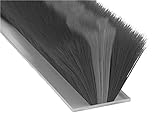


A garage door draught excluder is a slightly different product from the fabric sausage you’d put underneath a bedroom door.
Garage doors can have substantial gaps along the bottom or edges.
Depending on the door design, solutions include:
Bottom seals – rubber or flexible strips attached to the bottom of the garage door.
Threshold seals – fixed to the garage floor so the closed door meets the raised seal.
Side and top weather seals – designed to deal with gaps around the perimeter.
Before buying a garage door seal, measure both the width of the door and the size of the gap.
Also consider drainage. You don’t want an incorrectly installed threshold creating a new problem by directing rainwater into the garage.
Window Draught Excluder


If you can feel cold air around a window, putting a draught excluder along the sill may help in some situations, but it isn’t necessarily the best long-term solution.
For gaps around an opening window, the Energy Saving Trust recommends draught-proofing strips around the frame.
Self-adhesive foam strips are inexpensive and easy to fit, while other window types may require different seals.
A traditional weighted window draught excluder can still be useful along the bottom of a particularly cold or draughty window.
The Praknu and Marwood models in this guide are both designed for door and window use.
Chimney Draught Excluder


An unused open chimney can allow a surprising amount of warm air to escape.
A chimney draught excluder works by restricting airflow through an unused chimney when a fire isn’t being used.
The Energy Saving Trust specifically identifies unused chimneys as a draught-proofing opportunity and suggests solutions such as a chimney cap or chimney draught excluder.
However, don’t permanently seal a chimney without considering ventilation and the type of fireplace or appliance.
If the chimney is still used for a fire or combustion appliance, get appropriate professional advice rather than simply blocking it.
Fabric vs Under-Door vs Self-Adhesive Draught Excluders
There are three particularly simple approaches.
Weighted Fabric Draught Excluder
Advantages: Cheap, no installation, removable, decorative options available.
Disadvantages: Usually needs repositioning after opening the door.
The Praknu and Marwood models use this basic approach.
Double-Sided Under-Door Draught Excluder
Advantages: Moves with the door, no adhesive and blocks both sides of the gap.
Disadvantages: Needs to fit the particular door and floor arrangement correctly.
The BKSAI is our pick for this type.
Self-Adhesive Draught Excluder
Advantages: Cheap, discreet and moves with the door.
Disadvantages: Adhesive can eventually deteriorate and may not suit every door surface.
The Hojoy two-pack is the obvious choice from our selection.
How to Choose the Best Draught Excluder
Find the Draught First
Don’t buy random draught-proofing products and hope for the best.
Identify whether cold air is actually coming from the bottom of the door, the frame, window, chimney or somewhere else.
Measure the Gap
A draught excluder needs to cover the opening without preventing the door from working properly.
Measure before ordering.
Consider Your Flooring
A product that slides effortlessly over hard flooring may behave differently on thick carpet.
Check the manufacturer’s recommended clearances.
Think About Convenience
A weighted fabric draught excluder is incredibly simple, but you may need to reposition it every time somebody opens the door.
An attached or double-sided model can be more convenient on frequently used doors.
Don’t Block Necessary Ventilation
Draught proofing is about eliminating unwanted gaps, not making your home airtight.
Don’t block air bricks, extractor systems or other purpose-designed ventilation.
How to Draught-Proof a Door for Winter
Start with the easiest test: where can you actually feel cold air entering?
If it’s coming underneath the door, install an appropriately sized under-door or adhesive draught excluder.
If it’s coming around the sides or top, look at draught-proofing strips or seals around the frame.
For an external front door, also check the letterbox and keyhole.
Then test the door after installation.
It should still open, close and latch normally without excessive resistance.
Combining sensible draught proofing with other measures such as thermal curtains can make cold areas of a home feel considerably more comfortable without simply responding by turning the thermostat higher.
Draught Excluder FAQs
What is the best draught excluder for a door?
For an obvious gap underneath a frequently used door, we’d choose a double-sided design such as the BKSAI because it moves with the door and doesn’t require adhesive.
Are draught excluders worth it?
They can be a very inexpensive way of reducing unwanted cold air entering through gaps. They work best when you’ve correctly identified the source of the draught.
Can I use a draught excluder on a window?
Yes. Weighted fabric draught excluders can be positioned along some window sills. For gaps around opening window frames, purpose-designed draught-proofing strips may be more appropriate.
What is the best garage door draught excluder?
For garage doors, look at dedicated bottom seals, threshold seals and perimeter weather stripping rather than conventional indoor fabric draught excluders.
Can I block a draughty chimney?
Unused chimneys can be draught-proofed with appropriate products, but ventilation still needs to be considered. Don’t block a chimney that serves a fire or combustion appliance without appropriate advice.
Do draught excluders reduce heating bills?
Reducing uncontrolled heat loss can reduce the amount of energy required to keep a home warm. The Energy Saving Trust currently estimates potential savings of around £85 annually from professional draught proofing of windows, doors and floorboards in Great Britain.
Which Door Draught Excluder Should You Buy?
For most people trying to stop cold air entering underneath an internal door, we’d choose the BKSAI Double-Sided Draught Excluder.
It requires no adhesive, sits on both sides of the door and moves with it when opened.
Check the BKSAI Door Draught Excluder on Amazon
For the simplest possible solution, the Praknu Extra Heavy Draught Excluder requires virtually no installation: position it against the gap and move it when necessary.
View the Praknu Draught Excluder on Amazon
And if appearance matters, the Marwood Cat Draught Excluder turns an otherwise rather boring energy-saving accessory into part of the room.
View the Marwood Cat Draught Excluder on Amazon
The key is to find the draught before buying the solution. If it’s under a door, fit an under-door excluder. If it’s around a window, use appropriate window seals. And if cold air is coming down an unused chimney, investigate a purpose-designed chimney draught excluder.
During a cold snap, stopping the cold air getting in can make considerably more sense than simply turning the heating up.