
How health and safety standards vary across the world
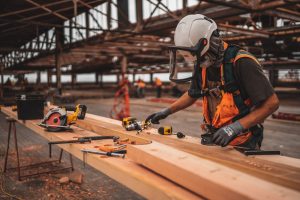 Personal protective equipment (PPE) is vital for any line of work. It ensures you are kept safe from any of the dangers that your daily tasks may put you in. Throughout the COVID-19 pandemic, PPE played a central role in every job with masks being required for those not working from home.
In 2020/21, there were 142 deaths in UK workplaces with construction being the most common industry where these deaths occurred. This is why the UK’s construction industry is so strict with what workers must wear in order to enter a site.
The same strictness can be seen in other countries but some are also more relaxed which will be one of the major contributing factors to the 6,300 workplace deaths that occur daily around the world. Within this article, we’ll explore how different countries approach health and safety standards.
The world’s leading health and safety practitioners
Leading the list of safest places to work are both Germany and the UK. With both having a keen focus on employees wearing the correct personal protective equipment to reduce the dangers in all workplaces as well as providing subsequent training for all employees, injury is kept to a minimum.
Whilst many believe that these protocols are over the top, they do prove effective in keeping workers safe.
Who doesn’t do so well with health and safety?
The two countries that have a poor track record when it comes to employee safety and wellbeing are India and the USA. Both have significant amounts of injured employees and deaths due to a lack of PPE and safety protocols.
India appears to be improving with new plans which are reducing the number of injuries whereas the USA is consistently underperforming due to the difficulties to govern employee safety in each state the same.
What needs to be done to improve safety for workers around the world?
It’s clear to see that around the world, attitudes towards employee safety are very different which is why the number of workplace injuries and deaths will vary from country to country. Each nation must change the way they see their employees and ensure that they protect them as Britain and Germany do.
Personal protective equipment is a must for all workers as this can prevent minor injuries from occurring as a result of accidents in the workplace. To eradicate the danger further, however, training must be provided for all workers. Only when this training has been completed, should employees be allowed to start completing tasks.
With adequate training, fewer mistakes will occur which will significantly reduce the number of accidents and injuries for workers.
Related Articles
