
Flood Warning UK: How to Get Flood Alerts and What to Do When You Receive One
Flooding can develop quickly, particularly after prolonged rain, swollen rivers, coastal surges or sudden local downpours.
If your home, business or regular travel route is in a flood-risk area, one of the simplest precautions you can take is to make sure you receive a flood warning before water reaches you.
In England, the Environment Agency operates a free flood warning service, while apps such as Flood Alert can also provide notifications and updates.
But what do the different warnings actually mean, how do you get them, and what should you do when one arrives?


How Do I Get a Flood Warning?
If you live in England, you can register for the Environment Agency’s free flood warning service.
You can receive warnings by:
- text message;
- telephone call;
- email.
You will need to provide an email address and a way of contacting you at any time of the day or night.
The service provides warnings for flooding from rivers, the sea and, in some locations, groundwater. It does not currently provide warnings for every form of surface-water or flash flooding.
You can also check current warnings directly through the official GOV.UK Flood Alerts and Warnings service.
The page allows you to search by town, city or postcode and see current flood alerts and warnings for England.
Use the Flood Alert App
Another option is the Flood Alert app.
It is available for iOS and Android and provides notifications and updates about possible flooding in your area.
Flood Alert currently provides data for England and Wales.
For anyone living in a flood-prone area, using an app alongside official Environment Agency warnings can make it easier to keep an eye on changing conditions.
What Does a Flood Alert Mean?
The Environment Agency uses three main warning levels in England.
The lowest is a Flood Alert.
A flood alert means:
Flooding is possible – be prepared.
These alerts are commonly issued when river levels, tides or weather forecasts indicate that flooding may occur.
The Environment Agency typically issues them around 2 to 12 hours before flooding where possible.
A flood alert does not necessarily mean your house is about to flood.
However, it is the point at which you should start preparing.
Check where valuables and important documents are, charge phones and power banks and make sure any flood-defence equipment is ready to deploy.
You should also keep checking the official warning service because an alert can later be upgraded to a flood warning.
What Does a Flood Warning Mean?
A Flood Warning is more serious.
It means:
Flooding is expected – act now.
Flood warnings can sometimes be issued only 30 minutes to two hours before flooding, so this is not the time to begin thinking about what you might need.
You should already have a basic flood plan in place.
When a flood warning is issued, the Environment Agency recommends moving people, pets and valuables to safety and using flood-protection equipment if available.
If safe to do so, you may also need to turn off gas, electricity and water supplies.
Follow any instructions issued by the emergency services or your local authority.
What Does a Severe Flood Warning Mean?
A Severe Flood Warning is the highest level.
It means:
Severe flooding presents a danger to life.
If you receive one, take it extremely seriously.
Stay somewhere safe, be prepared to evacuate and follow instructions from the emergency services.
If you are caught in a flash flood, move to higher ground or an upper floor if it is safe to do so.
Call 999 if you or somebody else is in immediate danger.
What Should I Do When I Receive a Flood Warning?
The exact response depends on how close the flooding is and whether you have received an alert, warning or severe warning.
Your priorities should be:
- Protect people first. Make sure everyone in the household understands the situation and knows where to go if evacuation becomes necessary.
- Move vehicles to higher ground if there is time and it is safe.
- Move valuables upstairs, particularly documents, electronics and sentimental items.
- Move pets and essential supplies to safety.
- Deploy flood barriers and air-brick covers before water reaches the property.
- Turn off gas, electricity and water if advised and safe to do so.
- Keep checking official updates.
- Never walk, cycle or drive through floodwater.
- Check the UK Emergency Preparedness Plan
Floodwater can be deeper and faster than it appears and may contain sewage, debris, open drains or damaged road surfaces.
Get Your Flood Barriers Ready Before the Warning
If your property has flooded before, or sits close to a river, low-lying road or overwhelmed drainage system, flood-protection equipment is worth organising in advance.
Waiting until a flood warning arrives to buy equipment may be too late.
Our Best Flood Barriers for Homes, Doors and Garages: UK Buyer’s Guide looks at reusable barriers designed to protect doorways, garages and other vulnerable entry points.
For an alternative to conventional sandbags, see our guide to Quick Dam Flood Barriers.
These water-activated barriers can be stored until required and expand when exposed to water.
Prepare Food, Water and Essential Supplies
A flood may affect you even if water never enters your property.
Road closures can make shops inaccessible, power cuts can affect refrigeration and water supplies may be disrupted.
Keeping a modest emergency supply at home can therefore make sense.
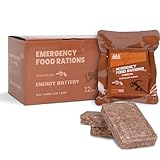
Our Emergency Food List and Stockpile Guide covers practical food, drinking water, lighting and household essentials to keep available.
The Government’s personal flood planning guidance similarly recommends preparing a flood kit and keeping important information readily accessible.

What About Power Cuts During Flooding?
Floods and major storms can damage local electricity infrastructure or lead to precautionary shutdowns.
A battery power station can keep phones, lights, routers and some essential appliances operating during a short outage.
For longer outages, some households consider a petrol generator.
Our Best Backup Generator for Home: Petrol Generators vs Portable Power Stations explains the advantages and disadvantages of both options.
Never operate a petrol generator inside a house, garage or other enclosed space because of the risk of carbon-monoxide poisoning.


Don’t Assume Flooding Only Happens Near Big Rivers
Flood risk can be surprisingly local.
A house may be some distance from a major river but still be vulnerable because of a small stream, drainage channel, groundwater or surface-water runoff.
The Environment Agency therefore recommends checking the flood risk for your specific area rather than assuming your property is safe because you do not live beside a river.
You should also remember that official flood warning coverage has limitations.
The Environment Agency’s sign-up service does not provide warnings for all surface-water flooding, sometimes referred to as flash flooding.
During severe thunderstorms or exceptionally heavy rainfall, Met Office weather warnings and local emergency information can therefore be important as well.
Why Early Warning Matters
The catastrophic Nepal Flood 2026 provides an extreme example of how rapidly flooding can develop.
During that disaster, river levels reportedly rose by several metres within a very short period.
UK flooding is generally caused by very different weather and geographical processes, but the basic lesson is the same:
The earlier you know that flooding is possible, the more options you have.
A flood alert may give you time to move a car, protect a doorway, charge batteries, relocate valuables or change travel plans.
Once water is already entering the property, your options become much more limited.
Create a Personal Flood Plan
If you live in an area with a meaningful flood risk, it is worth creating a simple household flood plan.
It does not need to be complicated.
Know:
- who will collect children or vulnerable relatives;
- where pets will go;
- where important documents are stored;
- where flood barriers are kept;
- how to turn off utilities;
- which vehicles need moving;
- what you would take if you had to evacuate.
The Environment Agency provides a dedicated personal flood plan that can help households prepare.
Flood Warning UK: The Bottom Line
A flood alert means flooding is possible and you should prepare.
A flood warning means flooding is expected and you should act.
A severe flood warning means there is a danger to life and you should follow emergency instructions immediately.
The most important thing is not to wait until bad weather arrives.
Check your local flood risk, register for official notifications and have basic protective equipment and emergency supplies ready in advance.
You can check current conditions through the GOV.UK Flood Alerts and Warnings service and use the Flood Alert app for additional notifications.
A warning is most useful when you already know what you are going to do when it arrives.
FAQ
How do I sign up for flood warnings in the UK?
In England, you can register for the Environment Agency’s free service and receive warnings by text, phone or email. Different flood-warning services operate in Scotland and Wales, while Northern Ireland provides flood-risk information through its own services.
What is the difference between a flood alert and flood warning?
A flood alert means flooding is possible, while a flood warning means flooding is expected. A severe flood warning indicates potential danger to life.
How much warning do you get before a flood?
It depends on the type of flooding. Environment Agency flood alerts are often issued around 2 to 12 hours beforehand, while a flood warning may sometimes be issued only 30 minutes to two hours before flooding.
What should I do first after receiving a flood warning?
Protect people first. Move family members, pets and essential possessions somewhere safe, deploy flood protection if you have it and follow official advice. If instructed to evacuate, do so.
Should I drive through floodwater?
No. Avoid driving, cycling or walking through floodwater. Water may be deeper or faster-moving than it looks, and roads may be damaged underneath.
Does the Environment Agency warn about flash flooding?
Not all of it. The Environment Agency states that its flood-warning registration service does not provide warnings for surface-water flooding, sometimes known as flash flooding.


